
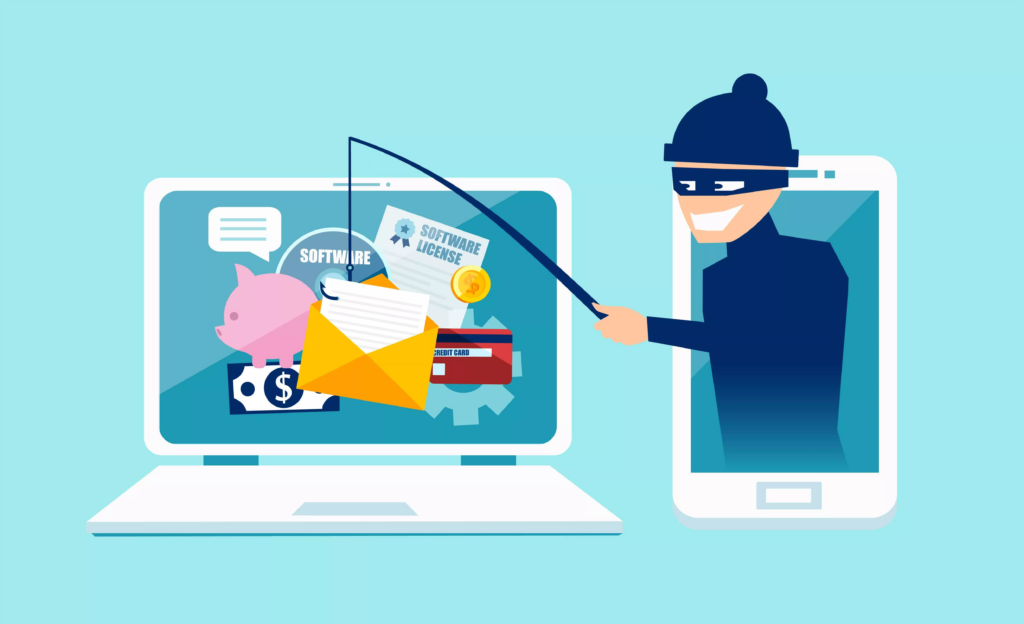
Phishing emails are becoming more and more common nowadays. These emails are designed to trick you into giving away your personal information, such as your login credentials or credit card details. Phishing emails can be difficult to identify, but there are several things you can look for to help you spot them. Here are some tips on how to identify phishing emails:
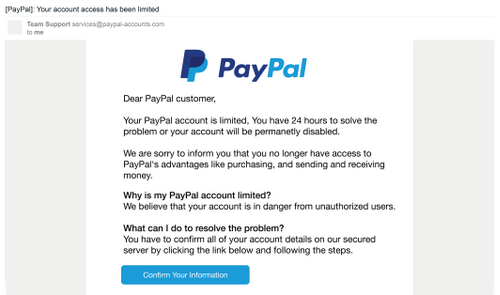
Check the sender’s email address: Phishing emails often come from email addresses that are similar to legitimate ones. For example, a phishing email from “support@googlehelp.com” may look like it’s from Google, but it’s actually a fake email address. Check the email address carefully to see if it’s legitimate.
Look for spelling and grammar errors: Phishing emails often contain spelling and grammar errors. Legitimate companies and organizations usually have professional editors who check their emails for errors.
Be cautious of urgent requests: Phishing emails often try to create a sense of urgency by asking you to take immediate action, such as resetting your password or verifying your account. Legitimate companies will rarely ask you to do this.
Hover over links before clicking: Phishing emails often contain links that lead to fake login pages or websites designed to steal your personal information. Hover over the link to see where it leads before clicking it.
Don’t give out personal information: Legitimate companies will never ask you to give out your personal information, such as your social security number or credit card details, via email.
Be wary of attachments: Phishing emails often contain attachments that contain malware or viruses. Don’t open any attachments unless you’re sure they’re safe.
Check for a security indicator: Many legitimate emails from banks, financial institutions and other businesses will have a security indicator like a lock icon or “https” in the address bar of your browser. Check for these indicators before entering any personal information.
In conclusion, phishing emails can be difficult to spot, but by using the tips above, you can help protect yourself from becoming a victim of identity theft or fraud. Always be cautious when opening emails from unknown senders and never give out your personal information unless you are absolutely sure it’s safe to do so.